Finding the best hardware wallet for crypto security isn’t about brand loyalty it’s about understanding which certification levels, chip architectures, and recovery methods actually protect your private keys from the two threats that matter most: remote hacking and physical theft. The core point of this piece is simple: in 2026, EAL6+ certified secure-element chips have become the baseline expectation rather than a premium feature, so the real differences between top devices now come down to air-gapped signing, clear-signing transparency, and how each company handles seed-phrase recovery. Below, you’ll get a grounded comparison of the leading devices, what the certification numbers actually mean, and how to avoid the mistakes that make even a good hardware wallet less secure than it should be.
Why Hardware Wallets Matter for Crypto Security
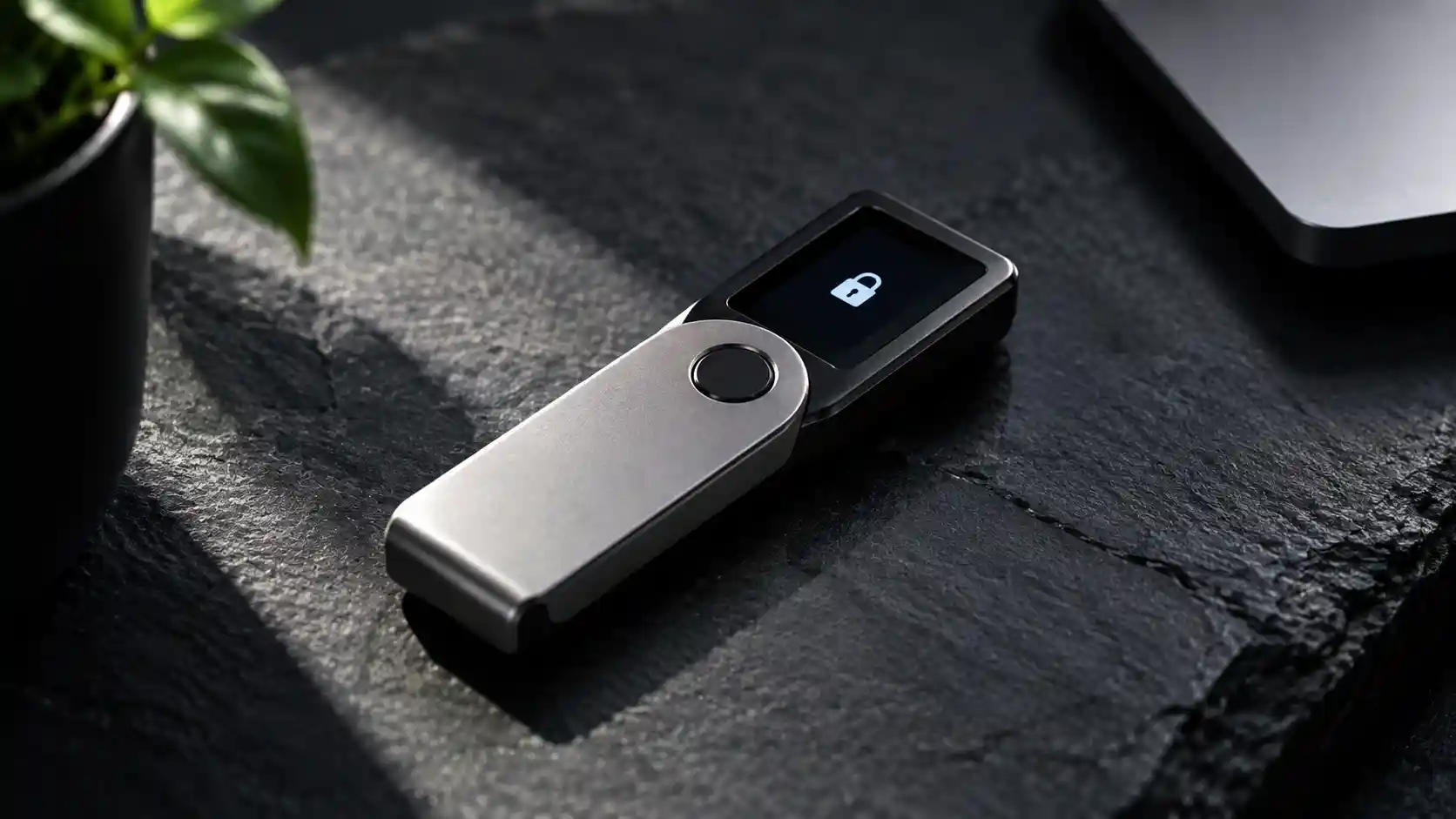
A hardware wallet keeps your private keys the cryptographic credentials that prove ownership of your crypto completely offline on a dedicated physical device, isolated from the malware, phishing pages, and remote exploits that regularly compromise software wallets and exchange accounts. Even if your computer is infected, a properly used hardware wallet never exposes the raw private key to that computer; it signs transactions internally and only sends the signed result back out. That single design choice is why security researchers still consider hardware wallets the gold standard for self-custody, years after software wallets first promised the same protection through encryption alone.
What Does “Cold Storage” Actually Mean?
Cold storage means your private keys are generated and stored on a device that’s never connected to the internet, as opposed to “hot” storage on an internet-connected phone, computer, or exchange account. A hardware wallet is the most common form of cold storage for everyday users, since it combines offline key storage with a small screen that lets you verify transaction details before approving them a step software-only wallets can’t fully guarantee, because the display itself might be compromised.
What Is a Secure Element Chip?
A secure element chip is a specialized, tamper-resistant microchip the same category of hardware used in passports and credit cards designed specifically to resist physical extraction attacks against stored cryptographic keys. Devices like the Ledger Flex and newer Trezor Safe models now ship with CC EAL6+ certified secure elements as standard, a certification level that used to be reserved for premium devices only a couple of years ago.
Comparing the Top Hardware Wallets in 2026
The market has effectively split into three tiers based on priorities rather than just price. Ledger remains the most feature-complete option, with its Ledger Live software supporting native staking, NFT management, and Bluetooth-enabled mobile use across the Nano Gen5, Flex, and Stax lines though its firmware stays closed-source, meaning users have to trust Ledger’s internal audits rather than verify the code themselves. Trezor takes the opposite philosophy, keeping its firmware fully open-source and auditable by independent researchers, with the newer Safe 7 model introducing early post-quantum cryptographic protections. NGRAVE ZERO sits at the security-maximalist end of the spectrum as the only consumer device certified to the higher EAL7 standard, fully air-gapped with no USB, Bluetooth, or NFC connection at all.
Is Ledger or Trezor the Better Choice?
Neither is universally “better” Ledger suits people who want staking, NFT support, and a polished mobile app, while Trezor suits people who prioritize open-source transparency and don’t mind a more desktop-centered workflow. If you’re mainly holding Bitcoin and Ethereum long-term without much day-to-day DeFi or NFT activity, Trezor’s simpler, fully auditable approach is arguably the more conservative security choice. If you actively stake, trade, or manage NFTs from your phone, Ledger’s ecosystem integration will save you real friction.
What’s the Most Secure Hardware Wallet Available Right Now?
The NGRAVE ZERO currently holds the distinction of being the only consumer hardware wallet certified to the EAL7 standard, the highest level in the Common Criteria security framework, and it signs every transaction entirely offline via QR code with zero physical data connection to any device. That level of security comes at a real cost both in price, at roughly $425, and in convenience, since air-gapped QR signing is slower than a USB or Bluetooth connection. For most users, an EAL6+ device like the Ledger Flex or Trezor Safe 3 already provides strong, practical protection without that trade-off.
Common Mistakes That Undermine Hardware Wallet Security
Buying a good device solves only part of the problem how you set it up and use it matters just as much. The single biggest mistake is buying a hardware wallet from an unofficial third-party marketplace instead of directly from the manufacturer or an authorized reseller, since tampered devices have been documented arriving with pre-generated seed phrases designed to let an attacker drain funds later. The second most common mistake is “blind signing” approving a transaction without actually reading what the device screen shows, which defeats the entire purpose of a hardware wallet’s verification step.
Should You Buy a Hardware Wallet From Amazon or a Reseller?
Only buy from the manufacturer’s official store or an explicitly authorized reseller, never from a general third-party marketplace listing, even if it’s cheaper. Compromised devices sold through unauthorized channels have been used to trick buyers into using a pre-set recovery phrase provided in the box, which lets the seller drain the wallet the moment funds are deposited a well-documented scam pattern across multiple hardware wallet brands.
How Should You Store Your Recovery Phrase?
Write your recovery phrase on paper or an engraved metal backup, store it somewhere fireproof and separate from the device itself, and never type it into any website, app, or file on an internet-connected device. Anyone who obtains your recovery phrase can recreate your wallet and steal every asset in it, regardless of how secure the physical hardware wallet itself is the phrase, not the device, is the actual master key.
Conclusion
The best hardware wallet for crypto security in 2026 depends less on brand and more on how you actually use crypto day to day. Ledger wins on ecosystem features and mobile convenience, Trezor wins on open-source transparency, and NGRAVE wins on maximum certified security for anyone willing to trade convenience for it. Whichever device you choose, buying it directly from the manufacturer and guarding your recovery phrase offline will do more for your security than any single hardware spec on a comparison chart.
Frequently Asked Questions
What is the safest hardware wallet for beginners? Trezor Safe 3 and Ledger Nano S Plus are both widely recommended entry-level devices, offering EAL6+ secure elements at an accessible price point with straightforward setup for first-time users.
Can a hardware wallet be hacked remotely? A properly used hardware wallet cannot be hacked remotely in the way a software wallet can, since private keys never leave the offline device, but users can still be tricked through phishing or blind-signing mistakes that trick them into approving a malicious transaction.
Do I need a hardware wallet if I only hold a small amount of crypto? It depends on your risk tolerance a hardware wallet costs $50 to $250, so for very small holdings, some investors accept the convenience of a reputable exchange or software wallet instead, but any amount you’d be upset to lose is generally worth protecting with cold storage.
How much does a good hardware wallet cost? Entry-level devices like the Trezor Safe 3 start around $59, mid-range options like the Ledger Flex run around $249, and the security-maximalist NGRAVE ZERO costs roughly $425.