Nobody talks about the failures. That’s what struck me most when I first came across lookwhatmomfound break us ofw4uij content online. Every home blog shows the glow-up. Almost none of them show the moment things fell apart first.
That’s exactly why this angle is so refreshing. It’s honest about the mess before the magic. Cracked tile. Wrong paint sheen. A shelf that collapsed under weight it was never rated for. The lookwhatmomfound break us ofw4uij community leans into that chaos instead of editing it out.
In this piece, I’ll cover what this trend is really about, why US homeowners are drawn to it, and how learning from these “breaks” can actually save you money and stress down the line.
What Is the Lookwhatmomfound Break Us Ofw4uij Trend About?
Put simply, lookwhatmomfound break us ofw4uij content documents the failures behind home projects — not just the polished results. It’s the busted drawer slide. The paint that peeled within a week. The DIY shelf that didn’t hold.
It’s a deliberate counterpoint to the overly polished home content most of us are used to scrolling past. Instead of hiding the mistake, creators walk through exactly what went wrong and, more importantly, why.
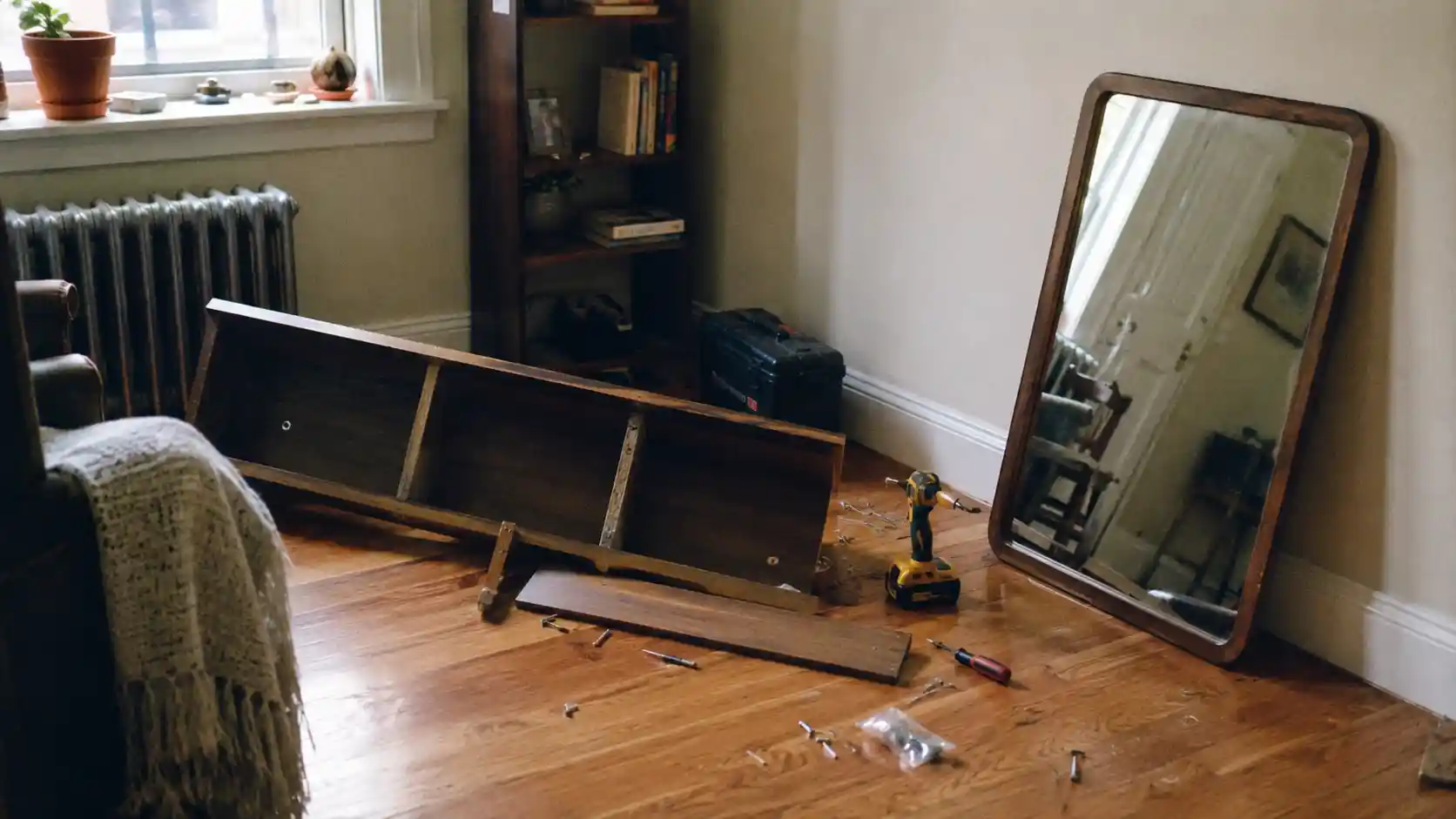
I’ve got my own break story. Tried to hang a heavy mirror with the wrong anchors. Down it came at 11pm, scared my dog half to death. Lesson learned, permanently. That’s the whole value of lookwhatmomfound break us ofw4uij — someone else’s crash course becomes your shortcut.
Why Homeowners Across the US Are Drawn to This Trend
A lot of it comes down to trust. Polished before-and-afters can feel unattainable, even a little discouraging. Seeing the break first makes the eventual fix feel real and repeatable.
There’s also a practical upside. Lookwhatmomfound break us ofw4uij style posts often double as troubleshooting guides. Instead of guessing what went wrong with your own stuck cabinet hinge or wobbly shelf, you can compare notes with someone who already broke — and fixed — the exact same thing.
Honestly, I find these posts more useful than most tutorials. Tutorials assume everything goes right. Breaks show you what actually happens when it doesn’t, and that’s the information you need most.
Common Home Project Breaks Worth Learning From
Some failures show up again and again across this niche. Knowing them ahead of time can save you a weekend of frustration.
Weight-Bearing Mistakes
Shelves, curtain rods, and wall-mounted furniture fail most often because of wrong anchor choices. Drywall alone rarely holds real weight — always find a stud or use rated anchors.
Paint and Finish Failures
Skipping primer, rushing dry times, or using the wrong sheen for high-traffic areas leads to peeling and scuffing fast. Patience here saves a redo later.
Structural Overreach
DIY confidence sometimes outpaces skill — think knocking into a load-bearing wall without checking first. This is where lookwhatmomfound break us ofw4uij stories get genuinely cautionary, and rightly so.
Turning Breaks Into Better Home Decisions
Here’s where this trend earns its keep for property owners. Every documented break is essentially free troubleshooting. You get to skip the expensive mistake because someone else already made it publicly.
I started keeping a running list after my mirror incident — a personal lookwhatmomfound break us ofw4uij log, basically. Every failed fix gets a note: what happened, why, what I’d do differently. It’s saved me real money on at least three projects since.
This mindset also changes how you approach bigger renovations. Instead of diving in blind, you start anticipating likely failure points — bad anchors, rushed paint jobs, mismatched materials — and plan around them before they happen.
Mistakes to Avoid When Learning From Others’ Breaks
Not every failure story applies directly to your situation, so a little judgment goes a long way here.
- Don’t assume your walls, materials, or climate match the original poster’s exactly.
- Avoid copying a fix without understanding the root cause of the original break.
- Don’t skip basic safety steps just because a shortcut worked for someone else once.
- Resist rushing a repair; most breaks happen because a step got skipped the first time too.
I ignored that last point once, redid the same shelf twice in one month. Slower really is faster here.
Final Thoughts
Lookwhatmomfound break us ofw4uij content proves that failure is often the best teacher in home improvement. For US homeowners tired of unrealistic before-and-afters, it offers something far more useful: the truth about what actually goes wrong, and how to avoid it yourself.
Next time a project doesn’t go to plan, don’t just fix it quietly. Take notes. Future you will thank present you.
FAQs
Is lookwhatmomfound break us ofw4uij content only for DIY beginners? No — even experienced homeowners run into unexpected failures, and these stories help everyone troubleshoot faster.
How is this different from a typical home improvement blog? It focuses on the mistake and the “why” behind it, rather than just showing a finished, polished result.
Can I really save money by following these breakdowns? Yes. Avoiding a known mistake, like a wrong anchor or rushed paint job, often prevents a costly redo.
What’s the best way to start applying this to my own home? Keep a simple log of anything that goes wrong during a project, along with what you’d change next time.